

Open-world exploration increasingly favors patience over speed. Hidden treasures, rare spawns, and secret interactions often reveal themselves only to players willing to slow down, observe, and revisit familiar areas.
This design philosophy transforms exploration into a long-term pursuit rather than a checklist activity.
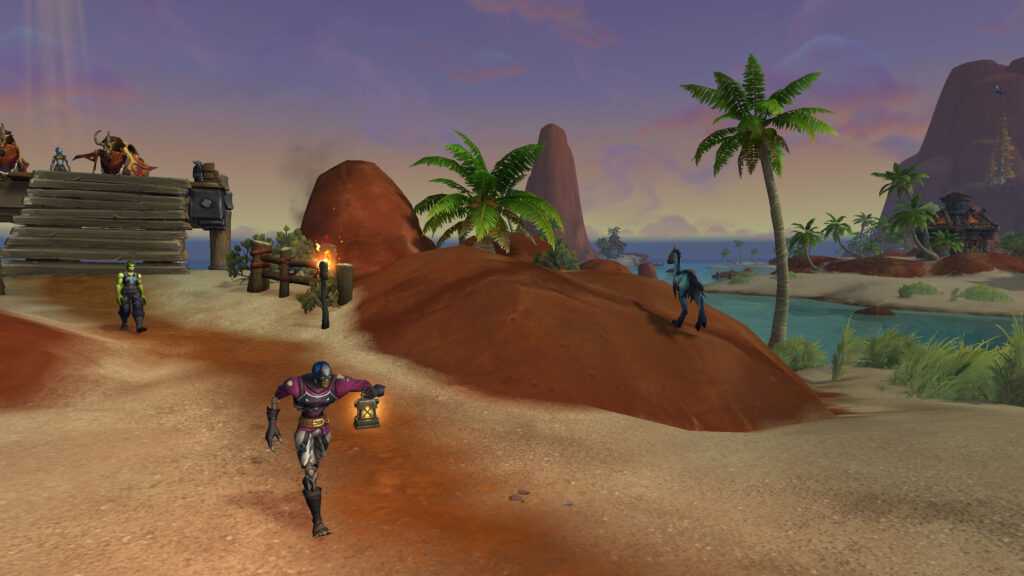
Moving Beyond Marker-Driven Exploration
Map markers and direct objectives streamline progress, but they also limit discovery. Rare finds often exist outside guided paths.
Exploration rewards those who wander without immediate payoff.
Patience as an Exploration Skill
Rare discoveries frequently depend on timing, observation, or persistence. Players who return repeatedly or explore at unusual moments gain an advantage.
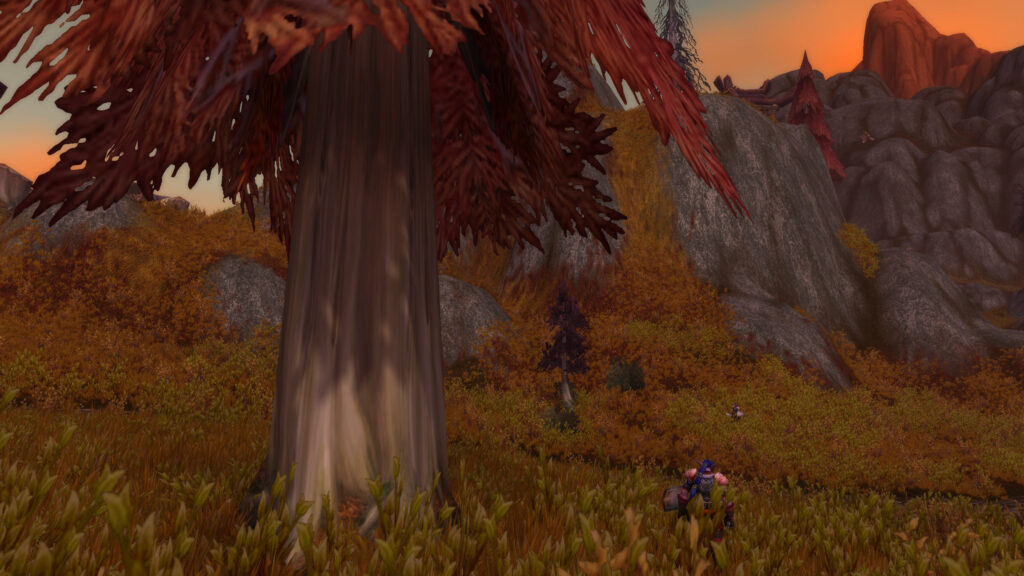
This patience turns curiosity into progress.
Types of Discoveries That Reward Persistence
Long-term exploration yields rewards unavailable through rushed play.
- Rare spawns with unpredictable appearance windows
- Hidden interactions unlocked through repetition
- Environmental puzzles requiring observation
- Secrets tied to time, weather, or location
These discoveries reward attention rather than efficiency.
Emotional Impact of Unearned Discovery
Finding something unexpected creates stronger emotional payoff than completing directed tasks. The reward feels personal rather than assigned.
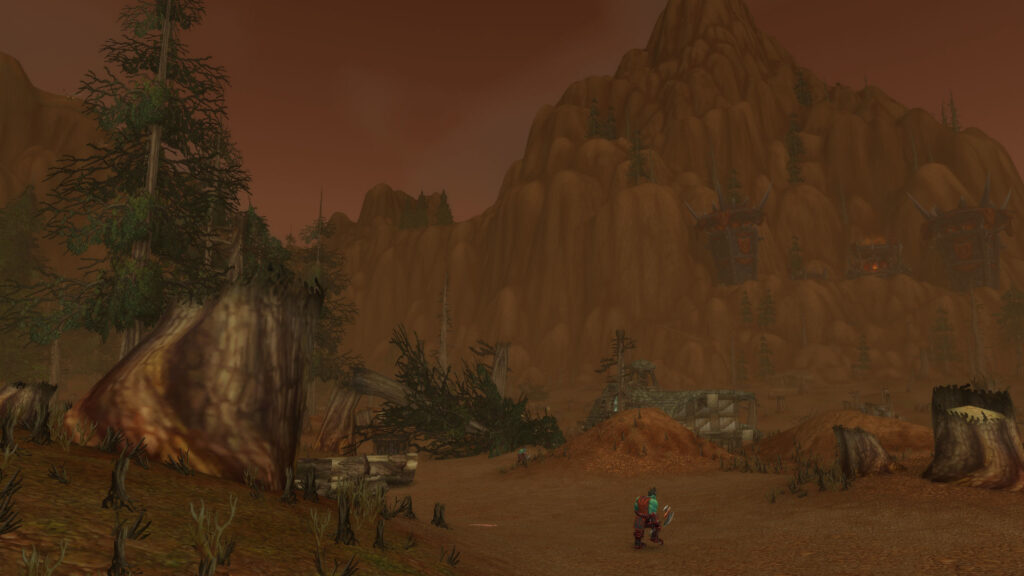
This sense of ownership deepens attachment to the world.
Exploration That Ages Well Over Time
Patient exploration keeps the world relevant long after launch. Players return not for power, but for curiosity and completion.
This longevity strengthens the game’s sense of scale.
Conclusion
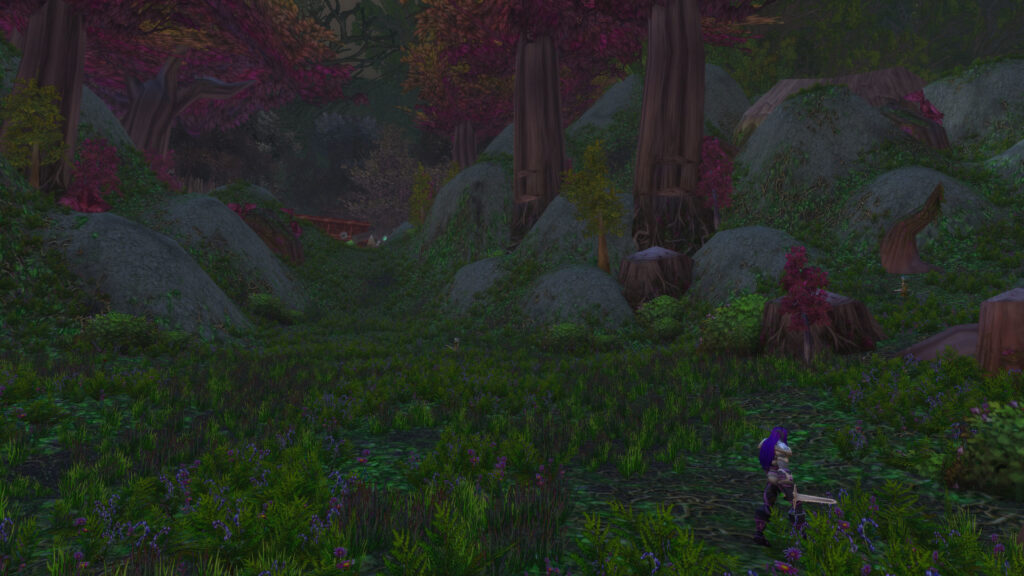
Open-world exploration rewards patience with rare and meaningful discoveries. By valuing observation and persistence, modern design transforms the world into a space that continues to surprise those willing to slow down and explore deeply.

